
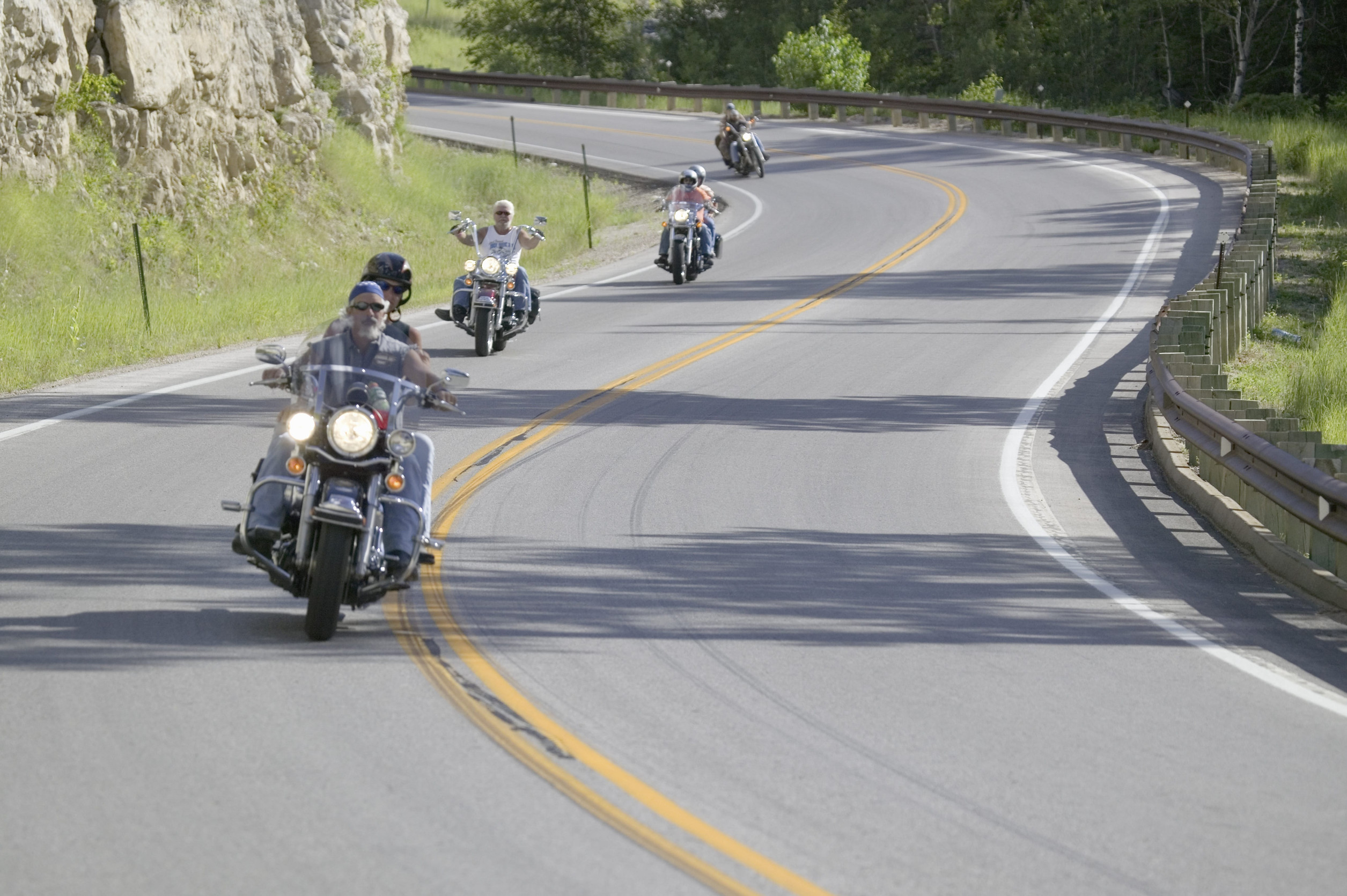
For many Minnesotans, outdoor recreation is more than a hobby—it’s a way of life. Whether it’s exploring lakes by boat, riding trails on an ATV, cruising on a motorcycle, or traveling in a motorhome, recreational vehicles provide freedom and enjoyment throughout the year.
However, these vehicles also come with unique risks. Accidents, weather damage, theft, and liability concerns can all impact recreational vehicle owners. That’s why recreational vehicle insurance plays an important role in protecting both your investment and your financial well-being.
Unlike standard auto insurance, recreational vehicle insurance is designed specifically for vehicles used for leisure and seasonal activities. Understanding how coverage works—and what options are available—can help you make informed decisions about protecting your lifestyle.
Recreational vehicle (RV) insurance is a category of insurance designed to cover vehicles used for recreation rather than daily commuting. This includes a wide range of vehicles, each with its own risks and insurance considerations.
Common types of recreational vehicles include:
Each of these vehicles may require specialized coverage depending on how and where they are used. For example, a snowmobile used seasonally in Minnesota faces very different risks than a motorhome used for cross-country travel.
Because of this, recreational insurance policies are often customized to match the vehicle type and usage.
Recreational vehicles often represent a significant financial investment. Beyond the cost of the vehicle itself, owners may invest in upgrades, accessories, and maintenance.
Without proper insurance, unexpected events can lead to substantial out-of-pocket expenses.
Recreational vehicle insurance can help cover:
In addition to financial protection, some types of recreational insurance are required by law or by lenders, depending on the vehicle and how it is used.
Understanding the different types of coverage available is key to selecting the right policy. While coverage varies by vehicle type, most recreational insurance policies include several core components.
Liability coverage helps protect you if you are responsible for causing injury or property damage while operating your recreational vehicle.
For example:
Liability insurance can help cover medical bills, repair costs, and legal expenses.
Collision coverage helps pay for repairs to your vehicle if it is damaged in an accident, regardless of fault.
This may include:
Collision coverage is often especially important for newer or higher-value vehicles.
Comprehensive insurance protects against non-collision-related damage.
This includes events such as:
Given Minnesota’s seasonal weather conditions, comprehensive coverage can be particularly valuable for snowmobiles, boats, and motorhomes.
If you’re involved in an accident with someone who lacks sufficient insurance, this coverage helps protect you from financial loss.
This is especially relevant for:
Medical payments coverage can help cover medical expenses for you and your passengers after an accident, regardless of fault.
This may include:
Each type of recreational vehicle comes with unique risks and insurance needs. Understanding these differences can help ensure your policy provides appropriate protection.
Motorcycle insurance typically includes liability, collision, and comprehensive coverage. Because motorcycles offer less physical protection than cars, injury risk is higher, making adequate liability limits especially important.
Optional coverages may include:
Boating insurance policies often address risks specific to water travel, including:
Coverage may also extend to personal watercraft such as jet skis.
ATVs and UTVs are commonly used on trails, private land, or rural properties. Risks include rollovers, collisions, and injuries.
Insurance considerations often include:
Minnesota’s winters make snowmobiles a popular seasonal vehicle. However, icy conditions, trail hazards, and weather exposure create unique risks.
Snowmobile insurance may cover:
Motorhomes and RVs combine elements of auto and homeowners insurance. In addition to driving risks, they may also involve:
Policies can vary significantly depending on whether the RV is used occasionally or as a full-time residence.
Insurance premiums for recreational vehicles depend on several factors, many of which are similar to auto insurance but adjusted for recreational use.
Higher-value vehicles typically cost more to insure due to repair or replacement costs.
Seasonal or occasional use may result in different rates compared to year-round usage.
Secure storage (such as a garage or storage facility) may reduce risk and lower premiums.
A clean record often results in lower insurance costs.
Higher coverage limits increase premiums, while higher deductibles can reduce them.
No two recreational vehicle owners use their vehicles in exactly the same way. Some may use a boat only a few weekends each year, while others may travel extensively in a motorhome.
Because of this, a one-size-fits-all insurance policy may not provide adequate protection.
Customizing your recreational insurance policy allows you to:
Working with an independent insurance provider can help you compare multiple coverage options and better understand how policies differ across carriers.
Recreational vehicles are often used in environments that increase exposure to risk.
Some common risks include:
Understanding these risks can help inform your decisions about coverage levels and optional protections.
As with any type of insurance, it’s important to review your recreational vehicle policy regularly.
You may want to revisit your coverage if:
Regular reviews help ensure your coverage continues to reflect your current needs.
Recreational vehicles are meant to enhance your lifestyle—not create financial uncertainty. Having the right insurance coverage in place helps ensure that unexpected events don’t disrupt your plans more than necessary.
By understanding coverage options, evaluating risks, and reviewing your policy periodically, you can take a more informed and balanced approach to recreational vehicle insurance.
If you have questions about recreational vehicle insurance—including motorcycles, boats, ATVs, snowmobiles, or motorhomes—the team at InsuredMN (National Insurance Brokers – Hice Agency) is available as a resource.
As an independent insurance brokerage serving Minnesota, InsuredMN works with a wide range of insurance carriers and provides guidance to help individuals better understand their coverage options and policy structures.
National Insurance Brokers – Hice Agency (InsuredMN)
8175 Industrial Park Rd S, Suite 2
Baxter, MN 56425
Phone: (218) 203-5540
Additional offices are located in Grand Rapids, Bloomington, and Clearwater, supporting clients throughout Minnesota.
At National Insurance Brokers, your privacy is our priority. We will never sell, share, or distribute your personal information to third parties. The information you provide is used only to connect you with one of our expert brokers to help find the best coverage for your needs. Your data is kept secure and confidential at all times.
By submitting this form and signing up for texts, you consent to receive text messages from National Insurance Brokers at the number provided, including automated messages and messages related to Customer Care. Consent is not a condition of purchase. Msg & data rates may apply. Msg frequency varies. Unsubscribe at any time by replying STOP or clicking the unsubscribe link (where available). Reply HELP for help.
Privacy Policy: https://insuredbaxter.com/privacy-policy/
Terms and Conditions: https://insuredbaxter.com/terms-and-conditions/