
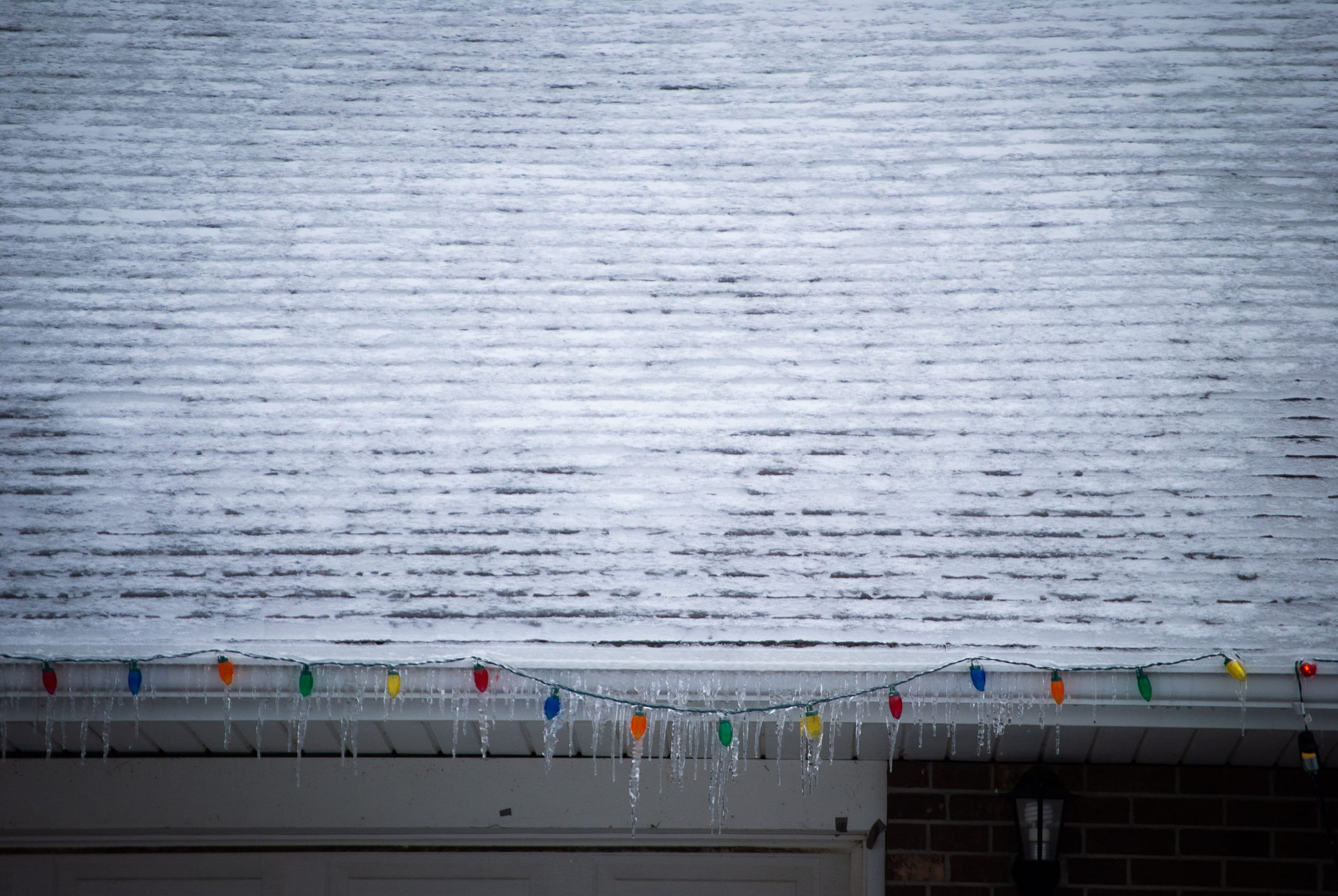
Minnesota winters are beautiful, but they can also be incredibly hard on our homes. Heavy snowfall, freezing temperatures, and fluctuating winter weather create conditions that can lead to one of the most frustrating problems homeowners face: ice dams.
You may notice thick ice forming along your roof line, unusually large icicles hanging from your gutters, or water stains appearing on an upstairs ceiling. What starts as a seemingly harmless buildup of snow and ice can quickly turn into expensive water damage.
Naturally, one of the first questions homeowners ask is: Does homeowners insurance cover ice dam damage?
The answer depends on your specific insurance policy and the circumstances surrounding the damage.
Understanding ice dam insurance Minnesota coverage before winter arrives can help you identify potential gaps, recognize warning signs, and make more informed decisions about protecting your home.
Here’s what Minnesota homeowners should know about ice dams, insurance coverage, claims, and prevention.
An ice dam is a ridge of ice that develops along the edge of a roof, preventing melting snow from draining properly.
Ice dams often form when heat escaping from a home warms the upper portion of the roof.
Snow melts in the warmer areas and flows toward the colder roof edges, where it refreezes.
Over time, this process creates a barrier of ice.
As additional snow melts, water becomes trapped behind the dam. That water may work its way beneath roofing materials and into the home.
Minnesota’s combination of heavy snowfall, extended freezing temperatures, and occasional winter warm ups creates favorable conditions for ice dams.
Homes with insufficient attic insulation, air leaks, or uneven roof temperatures may be particularly vulnerable.
Common warning signs include:
Recognizing these signs early may help prevent a manageable problem from becoming a significant repair expense.
Many homeowners policies may provide coverage for certain types of sudden and accidental damage caused by ice dams.
For example, if melting snow backs up behind an ice dam and water enters your home, resulting interior damage may be covered under some policies.
However, homeowners insurance ice dams coverage isn’t identical across insurance companies or policies.
Some policies contain specific limitations or exclusions involving ice dams, water intrusion, roof conditions, or damage that develops over time.
Coverage may also depend on the cause of the damage and whether the homeowner took reasonable steps to prevent additional loss.
The important distinction is that an insurance policy may cover certain resulting damage without necessarily paying to eliminate the ice dam itself.
That’s why reviewing the actual policy language matters.
When an ice dam causes a covered loss, homeowners insurance may help pay for certain repairs.
Depending on the policy, ice dam damage coverage could potentially include:
For example, imagine an ice dam forms above a second-floor bedroom.
Water backs up beneath the shingles and eventually leaks into the ceiling, damaging drywall and insulation.
If the loss meets the policy’s coverage requirements, some resulting repairs may qualify for insurance benefits.
However, the amount paid would still depend on the deductible, applicable coverage limits, exclusions, and settlement terms.
Roof damage insurance can become more complicated when ice dams are involved.
Damage resulting from a covered event may be treated differently from ordinary deterioration, aging shingles, or existing roof problems.
For example, a policy might respond to certain sudden damage while excluding repairs needed because roofing materials have deteriorated over time.
Homeowners should understand how their policy distinguishes covered damage from routine maintenance.
One of the biggest misconceptions about Minnesota winter home insurance is assuming every winter-related problem is automatically covered.
Homeowners policies commonly exclude ordinary wear and tear, deterioration, and certain maintenance-related conditions.
Depending on the policy, expenses that may not be covered include:
Some policies may provide limited coverage for ice dam removal when necessary to prevent additional covered damage, but this should never be assumed.
It’s important to distinguish between paying to repair covered damage and paying to correct the underlying conditions that allowed the ice dam to develop.
The best way to understand these differences is to review your policy with your insurance agent.
Not all water damage is treated the same way under homeowners insurance.
This distinction can be confusing because water entering a home may have several different causes.
An ice dam can allow melting snow to enter through the roof.
A burst pipe involves water escaping from a plumbing system.
A sewer backup involves water entering through drains or sewer connections.
Flooding generally involves rising or accumulating surface water.
These situations can fall under different coverage provisions.
For example, standard homeowners insurance generally excludes flooding, which usually requires separate flood insurance.
Sewer and drain backup coverage may also require an endorsement.
When reviewing water damage insurance, homeowners should ask how their policy addresses different sources of water intrusion rather than assuming one type of protection covers every situation.
Finding water inside your home during winter can be stressful.
Taking prompt, reasonable action may help limit additional damage and support the insurance claims process.
Take photographs or videos of visible damage, including water stains, affected walls, damaged belongings, and ice buildup.
Record when you first noticed the problem.
Avoid entering unsafe areas or climbing onto an icy roof to take pictures.
Take reasonable steps to protect your property without putting yourself at risk.
This might include moving belongings away from water, collecting dripping water, or contacting a qualified professional to address the immediate problem.
Avoid attempting dangerous roof work yourself.
If you suspect a covered loss, notify your insurance agent or company promptly.
Explain what happened and ask about the claims process, documentation requirements, and applicable deductible.
Save photographs, contractor estimates, invoices, and receipts for necessary emergency work.
Before making extensive permanent repairs, discuss the situation with your insurer and document the damage thoroughly.
Repairing interior damage without correcting the cause of the ice dam may allow the problem to return.
A qualified contractor or home energy professional can help identify insulation, air-sealing, or ventilation issues that need attention.
Winter insurance claims involving ice dams may require an inspection to determine the cause and extent of damage.
An insurance adjuster may evaluate the affected areas, review photographs, and consider the condition of the roof and surrounding materials.
The claims process may also involve determining whether the damage resulted from a covered event or an excluded condition.
Your deductible will generally apply to a covered property claim unless the policy states otherwise.
For example, if a covered repair costs $6,000 and your applicable deductible is $2,000, the potential insurance payment could be $4,000, subject to policy terms and settlement conditions.
Actual payments may differ based on depreciation, limits, exclusions, and other provisions.
Understanding your deductible before winter arrives can help you prepare for unexpected expenses.
Insurance provides financial protection for certain unexpected losses, but prevention remains an important part of protecting your property.
University of Minnesota Extension identifies heat loss through the roof as a major contributor to ice dam formation.
Reducing that heat loss can help maintain more consistent roof temperatures.
Warm air escaping into the attic can heat the roof and contribute to uneven snow melt.
Proper insulation and sealing air leaks can help reduce this problem.
A home energy assessment may identify areas where improvements would be beneficial.
Properly designed attic ventilation can help manage moisture and roof conditions.
However, ventilation alone doesn’t necessarily solve ice dam problems.
Air sealing and insulation are often essential parts of an effective long-term solution.
Removing snow from vulnerable roof areas may reduce the amount of melting water available to form an ice dam.
However, roof rakes can damage shingles if used improperly.
Never climb onto an icy roof or attempt to break apart large ice dams with sharp tools.
Professional assistance is often the safest option.
After significant snowfall or temperature fluctuations, visually inspect your roof line from the ground.
Look for unusual ice accumulation, icicles, and signs of interior moisture.
Early attention may reduce the extent of damage.
Ice dam risks aren’t limited to primary residences.
Minnesota cabins and seasonal homes may be particularly vulnerable because they can remain unoccupied for extended periods.
When no one is present to notice a leak, water damage can continue undetected.
Seasonal property insurance may also have different conditions involving occupancy, maintenance, winterization, or water damage.
If you own a cabin or vacation home, review those requirements carefully.
Consider arranging periodic property checks and ensuring that the building’s heating and insulation systems are maintained appropriately.
Fall is an ideal time to review homeowners insurance because winter conditions haven’t yet created the problems you’re trying to prepare for.
Consider asking your insurance agent:
A policy review can help clarify expectations before you experience a loss.
It can also provide an opportunity to evaluate replacement cost coverage, deductibles, and other protections related to your home.
Ice dams are a familiar winter concern for Minnesota homeowners, but the damage they cause can be anything but routine.
Water entering through the roof can affect ceilings, walls, insulation, flooring, and personal belongings.
While homeowners insurance may cover certain resulting losses, coverage isn’t guaranteed simply because an ice dam caused the problem.
Policy language, exclusions, deductibles, maintenance conditions, and the circumstances of the damage all matter.
Understanding ice dam insurance Minnesota coverage before winter arrives can help homeowners make better decisions about prevention, insurance protection, and claims.
The most effective approach combines regular home maintenance with a clear understanding of your insurance policy.
That preparation can make a meaningful difference when Minnesota winter weather puts your home to the test.
National Insurance Brokers – Hice Agency, serving Minnesota through InsuredMN.com, provides home, auto, business, life, health, and recreational insurance solutions.
As an independent insurance agency, the team works with multiple insurance carriers to help clients compare coverage options and understand their policies.
National Insurance Brokers – Hice Agency
7111 Forthun Road, Suite 200A
Baxter, MN 56425
Phone: (218) 203-5540
Email: info@insuredbaxter.com
At National Insurance Brokers, your privacy is our priority. We will never sell, share, or distribute your personal information to third parties. The information you provide is used only to connect you with one of our expert brokers to help find the best coverage for your needs. Your data is kept secure and confidential at all times.
By submitting this form and signing up for texts, you consent to receive text messages from National Insurance Brokers at the number provided, including automated messages and messages related to Customer Care. Consent is not a condition of purchase. Msg & data rates may apply. Msg frequency varies. Unsubscribe at any time by replying STOP or clicking the unsubscribe link (where available). Reply HELP for help.
Privacy Policy: https://insuredbaxter.com/privacy-policy/
Terms and Conditions: https://insuredbaxter.com/terms-and-conditions/