
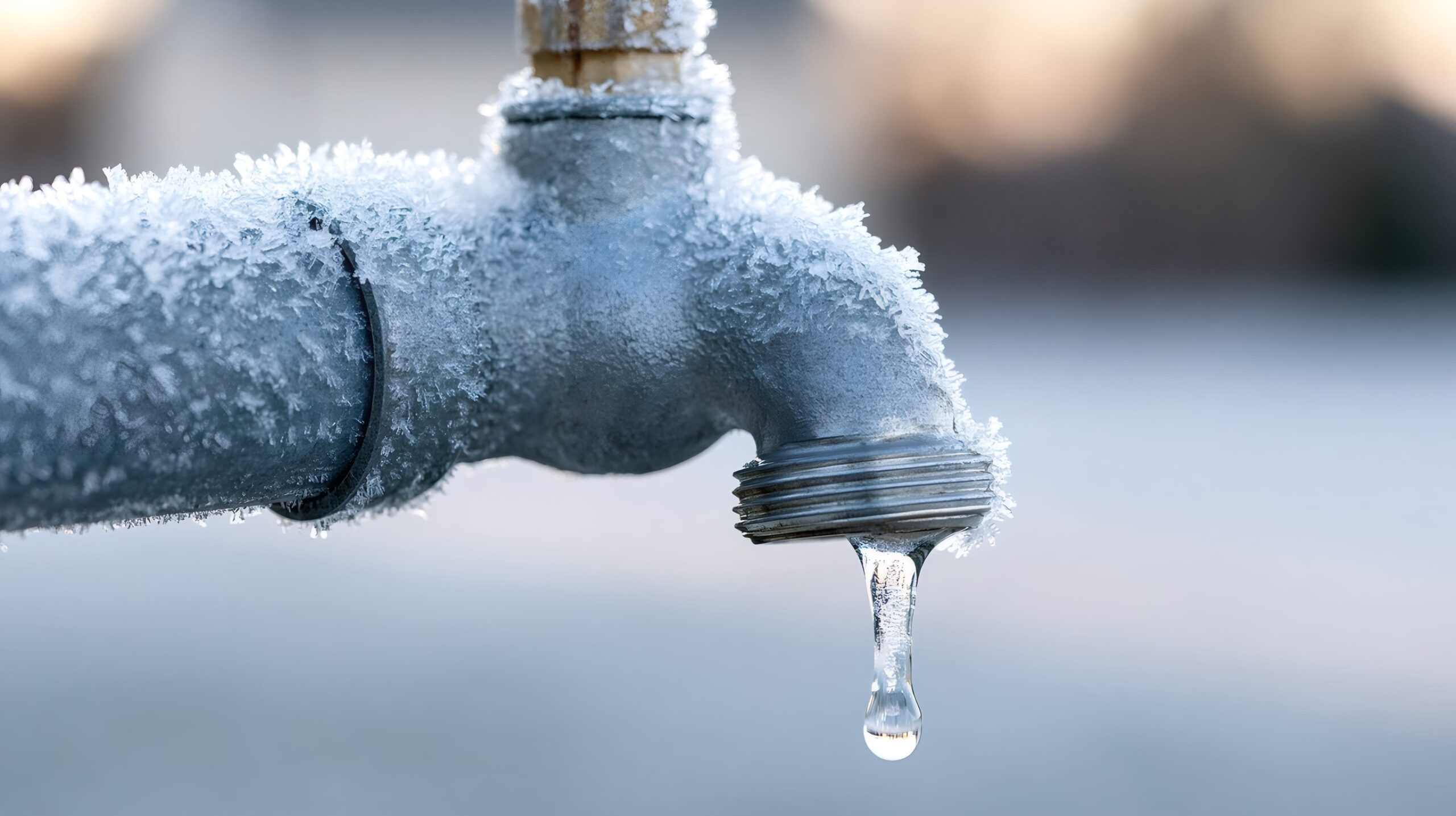
Minnesota winters can be brutal.
Additionally, Frozen Pipes Insurance Coverage helps manage those risks for homeowners.
One of the most expensive winter emergencies can happen quietly behind your walls, beneath your floors, or inside an unheated basement.
A frozen water pipe can burst and release gallons of water into your home. Additionally, it can damage drywall, insulation, flooring, furniture, and personal belongings. This could affect Frozen Pipes Insurance Coverage.
When that happens, one question becomes especially important: Does homeowners insurance cover frozen pipe damage?
Many homeowners policies provide protection for sudden and accidental water damage caused by burst pipes, including Frozen Pipes Insurance Coverage.
However, it is not automatic in every situation.
Understanding frozen pipe insurance coverage can help Minnesota homeowners recognize potential exclusions, respond appropriately to damage, and reduce the risk of costly winter emergencies.
Water expands as it freezes, creating pressure inside plumbing systems. When that pressure becomes excessive, a pipe or connection can rupture.
Interestingly, a pipe doesn’t always begin leaking while it’s frozen. Sometimes the damage becomes obvious only after temperatures rise and water starts flowing again.
Certain areas of a home are particularly vulnerable, including:
Even well-maintained Minnesota homes can experience frozen pipes during prolonged cold spells, especially when heating systems fail or extreme temperatures expose vulnerable plumbing.
In many situations, yes.
The Minnesota Department of Commerce explains that standard homeowners insurance typically covers water damage resulting from burst pipes.
However, the circumstances surrounding the damage are important.
Most policies distinguish between sudden, accidental water damage and problems involving gradual deterioration, neglected maintenance, or failure to maintain adequate heat.
Depending on your policy, frozen pipes homeowners insurance protection may help pay for:
For example, imagine a pipe freezes inside a bathroom wall during a particularly cold Minnesota night.
When the pipe bursts, water spreads into an adjacent bedroom, damaging flooring, drywall, and furniture.
If the incident qualifies as a covered loss, your homeowners policy may help pay for the resulting damage, subject to your deductible, coverage limits, and other policy conditions.
However, not every expense associated with the incident is necessarily covered.
This is an important distinction when considering burst pipe insurance.
Homeowners insurance may cover resulting water damage without paying for every aspect of the plumbing repair.
For example, a policy may cover the cost of accessing a damaged pipe and repairing covered surrounding materials, while excluding the cost of replacing the failed plumbing component itself.
Coverage varies depending on the cause of the failure and the specific policy language.
If an older pipe deteriorated over time, the insurer may evaluate that situation differently from a sudden freezing-related rupture.
Before beginning extensive repairs, ask your insurance company how it handles plumbing repairs, access costs, and restoration.
Although burst pipe damage is commonly covered, homeowners insurance contains exclusions and conditions that deserve attention.
One of the most important concerns involves maintaining heat during freezing weather.
Many homeowners policies contain provisions that limit coverage for freezing-related plumbing damage when a home is vacant, unoccupied, or under certain other circumstances.
Policies may require homeowners to maintain heat or take reasonable steps to shut off and drain water systems.
If you leave your home for an extended winter vacation and turn off the heat without properly winterizing the plumbing, your insurer may deny a freezing-related claim.
However, the exact requirements vary by policy.
Insurance generally isn’t designed to pay for ongoing maintenance problems.
A pipe that has been slowly leaking for months may create a different coverage situation than one that suddenly bursts during extreme cold.
Similarly, repeated moisture damage, corrosion, and deterioration may be excluded.
This distinction is particularly important when evaluating Minnesota water damage insurance claims.
Minnesota’s cabin country presents additional challenges.
Seasonal properties throughout the Brainerd Lakes area may sit unoccupied for weeks or months during winter.
A cabin that isn’t properly winterized can experience substantial damage if plumbing freezes.
However, seasonal homes may be insured under policies with different terms than those covering primary residences.
Depending on the insurer, requirements may involve maintaining minimum temperatures, draining plumbing systems, or arranging periodic property checks.
If your cabin remains unoccupied during winter, review its specific insurance conditions rather than assuming your primary homeowners policy works the same way.
Proper winterization can be especially important when a property isn’t heated throughout the season.
Not typically.
Although a burst pipe can leave several inches of water inside a home, insurance companies distinguish between internal plumbing losses and flooding.
Standard homeowners insurance generally excludes flood damage caused by rising surface water.
A sudden burst pipe inside the home is a different type of water loss and may be covered under ordinary homeowners insurance.
This distinction matters when reporting a claim.
Describe exactly what happened, including where the water originated and how the damage occurred.
Avoid assuming that every situation involving standing water falls into the same insurance category.
A burst pipe can cause extensive damage quickly, so taking appropriate action is essential.
Locate your home’s main water shutoff valve and turn it off if you can do so safely.
Stopping the water supply can significantly reduce additional damage.
If you’re unable to locate the valve or the plumbing is inaccessible, contact a qualified plumber.
Water and electricity create serious safety risks.
Avoid entering areas with standing water near electrical outlets, appliances, or exposed wiring.
If electrical equipment is affected, contact a qualified professional before attempting cleanup.
Take photographs or videos of affected rooms, damaged belongings, and visible plumbing problems.
Documentation can be helpful when filing winter insurance claims.
Notify your insurer promptly and ask about the next steps.
Your insurance company may arrange an inspection, request documentation, or provide instructions for emergency mitigation.
When safe, take reasonable steps to limit further damage.
This may involve removing standing water, moving belongings to a dry area, or arranging professional water mitigation.
Keep receipts for emergency services and temporary repairs.
Avoid discarding damaged materials or making permanent repairs before receiving appropriate guidance from your insurer, except when necessary for safety or to prevent further damage.
After reporting the damage, your insurer will generally evaluate the cause of the loss and determine whether it qualifies for coverage.
An insurance adjuster may inspect the property, review photographs, and assess the necessary repairs.
The settlement can depend on several factors:
For example, if covered damage totals $12,000 and your applicable deductible is $1,500, the insurer may pay $10,500, assuming the full loss is eligible and no additional limitations apply.
Your actual settlement will depend on your policy.
Severe water damage can make a home temporarily unsafe or unsuitable to occupy.
If a covered loss makes your home uninhabitable, additional living expense coverage—sometimes called loss of use coverage—may help pay for certain necessary increases in living expenses.
Depending on the policy, this could include temporary lodging and qualifying additional meal expenses.
However, coverage limits and requirements apply.
Not every inconvenience or repair project qualifies for temporary housing benefits.
Discuss your circumstances with the insurance company before assuming those expenses will be reimbursed.
Preventing frozen pipes is often much easier than dealing with the damage afterward.
University of Minnesota Extension recommends protecting plumbing during winter and shutting off and draining water lines that aren’t used regularly.
Several practical steps can help reduce freezing risks.
Keep your home adequately heated, including when you’re away.
Review your insurance policy for any specific heating requirements.
Insulate exposed pipes in unheated areas such as crawl spaces, basements, and garages.
Address gaps that allow cold outdoor air to reach plumbing.
Disconnect garden hoses, shut off exterior water supplies when appropriate, and drain vulnerable lines before freezing temperatures arrive.
During extreme cold, opening cabinet doors beneath sinks along exterior walls may help warm indoor air reach plumbing.
Keep children and pets away from any exposed household chemicals.
A prolonged winter power outage can increase the risk of frozen pipes.
Know where your main water shutoff valve is located and have a plan for protecting plumbing if heat becomes unavailable.
Never use outdoor grills, generators, or cooking appliances indoors for emergency heating.
Your insurance needs can change as your home changes.
Renovations, finished basements, plumbing upgrades, and seasonal property use can all affect your exposure to water damage.
An annual winter home insurance review can help clarify:
Those last two protections are separate concerns from ordinary burst pipe damage and may require endorsements.
Understanding these differences is an important part of maintaining appropriate homeowners insurance in Minnesota.
Frozen pipes can turn a Minnesota winter into an expensive home repair emergency.
Fortunately, many homeowners policies cover sudden and accidental water damage caused by burst pipes.
However, exclusions involving inadequate heating, unoccupied properties, gradual leaks, and maintenance problems can affect coverage.
Understanding your frozen pipe insurance coverage before an incident occurs can help you respond appropriately and avoid unexpected financial surprises.
For Minnesota homeowners, maintaining heat, protecting vulnerable plumbing, winterizing seasonal properties, and reviewing insurance annually are practical steps toward reducing winter-related risks.
For questions about frozen pipe insurance coverage, water damage protection, or other Minnesota homeowners insurance needs, National Insurance Brokers – Hice Agency provides guidance for current and prospective clients.
As an independent insurance brokerage, the agency helps Minnesota residents review insurance options and better understand their policies.
National Insurance Brokers – Hice Agency
7111 Forthun Rd., Suite 200 A
Baxter, MN 56425
Phone: 218-203-5540
Email: info@insuredbaxter.com
Additional offices are located in Grand Rapids, Longville, and Remer, Minnesota.
At National Insurance Brokers, your privacy is our priority. We will never sell, share, or distribute your personal information to third parties. The information you provide is used only to connect you with one of our expert brokers to help find the best coverage for your needs. Your data is kept secure and confidential at all times.
By submitting this form and signing up for texts, you consent to receive text messages from National Insurance Brokers at the number provided, including automated messages and messages related to Customer Care. Consent is not a condition of purchase. Msg & data rates may apply. Msg frequency varies. Unsubscribe at any time by replying STOP or clicking the unsubscribe link (where available). Reply HELP for help.
Privacy Policy: https://insuredbaxter.com/privacy-policy/
Terms and Conditions: https://insuredbaxter.com/terms-and-conditions/