
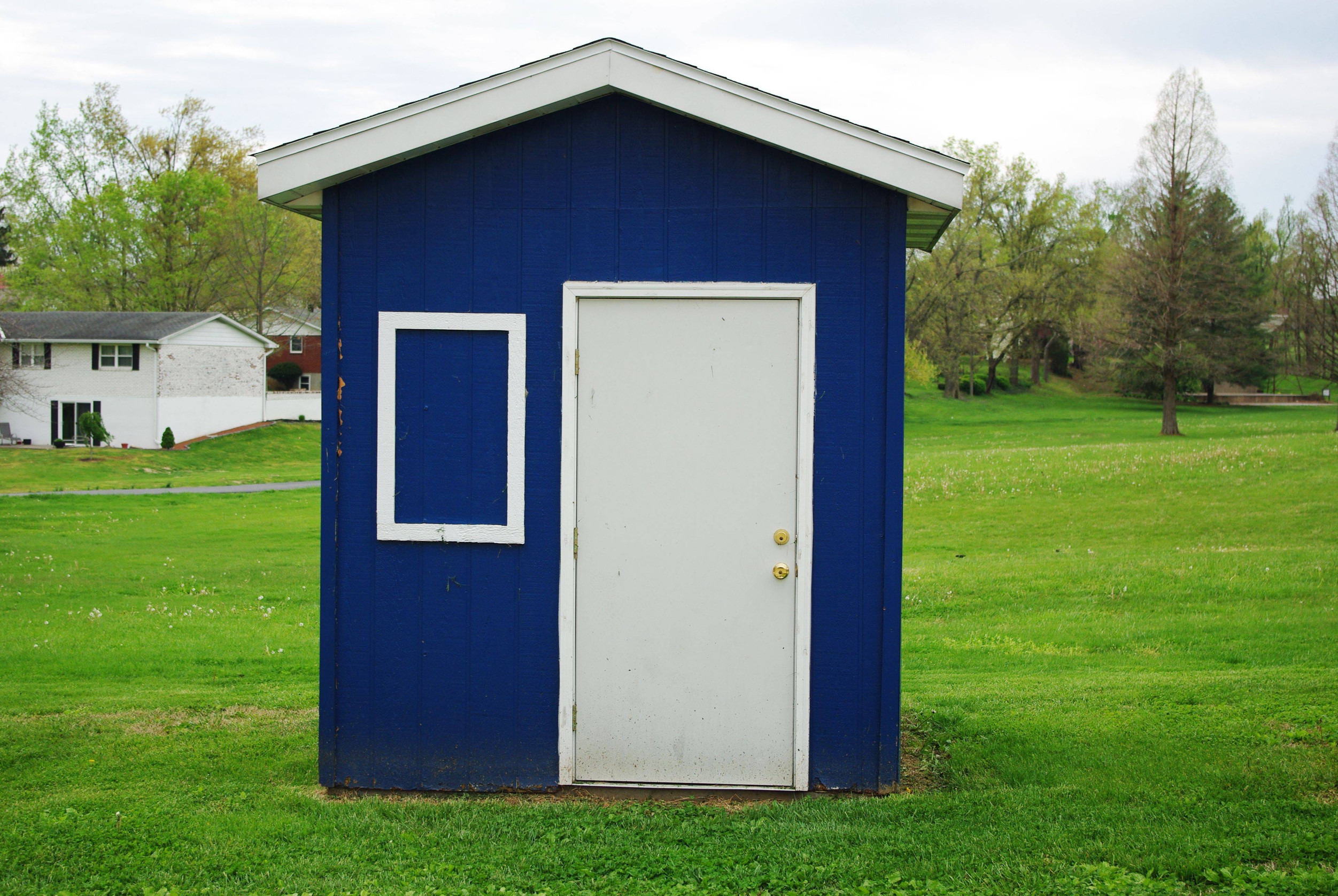
When you think about homeowners insurance, your house probably comes to mind first. But what about the other buildings on your property?
Maybe you have a detached garage where you park your vehicles, a backyard shed filled with lawn equipment, or a large pole building that houses tools, recreational equipment, and seasonal belongings.
These structures can represent a significant investment, yet many homeowners aren’t entirely sure how they’re insured.
The good news is that detached garage insurance is often included in a standard homeowners policy. However, the amount of coverage available, how the building is used, and what you store inside can make a difference.
For Minnesota homeowners, understanding these details is especially important when buildings are exposed to heavy snow, strong winds, hail, and other seasonal weather conditions.
Let’s look at how homeowners insurance typically protects detached garages, sheds, and other structures—and when additional coverage may be worth considering.
In many cases, yes.
Standard homeowners insurance commonly provides coverage for detached garages and similar buildings located on the insured residential property.
However, detached buildings are generally insured under a different section of the policy than the main house.
Your home is typically protected under dwelling coverage, often called Coverage A.
Detached garages, sheds, and other qualifying structures generally fall under other structures coverage, commonly called Coverage B.
The Minnesota Department of Commerce identifies garages, guest houses, tool sheds, and similar buildings as examples of structures that may be covered under homeowners insurance.
However, coverage isn’t unlimited, and certain uses or circumstances may require additional protection.
Other structures coverage helps protect qualifying buildings and structures on your property that are not attached to your main home.
Examples may include:
Whether a particular structure qualifies depends on the insurance policy and how the building is used.
For example, a garage connected directly to your house may be considered part of the dwelling, while a freestanding garage generally falls under other structures coverage.
This distinction matters because the two coverage categories can have different limits.
Many homeowners policies provide an other structures limit equal to approximately 10% of the dwelling coverage amount, although this percentage varies.
For example, suppose your home is insured for $400,000.
If your policy includes other structures coverage equal to 10% of the dwelling limit, you would have:
$40,000 in other structures coverage.
That may be sufficient for a small shed or modest garage.
But what if you have a large, insulated, heated pole building that would cost $100,000 to rebuild?
Your standard coverage limit might not be enough.
Some insurance companies allow homeowners to increase their other structures limits or schedule certain buildings separately.
The important thing is knowing what you have rather than assuming every structure is automatically insured for its full replacement cost.
Generally, shed insurance coverage works similarly to detached garage coverage.
A qualifying backyard storage shed may be protected under the other structures portion of your homeowners policy.
Coverage can apply when damage results from an insured cause of loss.
Depending on the policy, covered events may include:
However, damage caused by normal deterioration, neglect, flooding, or excluded conditions may not be covered.
A shed that gradually deteriorates because of rotting wood or an aging roof presents a different insurance situation than one suddenly damaged by a covered windstorm.
As with any insurance claim, the cause of damage matters.
This is where homeowners insurance outbuildings coverage can become confusing.
Insurance for the building itself isn’t necessarily the same as insurance for everything stored inside.
The structure may fall under Coverage B, while many personal belongings are typically protected under Coverage C, or personal property coverage.
For example, suppose a covered fire destroys your detached garage.
The building damage may be evaluated under other structures coverage, while eligible tools, furniture, or household belongings inside may fall under personal property coverage.
However, some belongings have special limits or exclusions.
Don’t assume everything in your garage is covered by homeowners insurance.
Cars and many other motorized vehicles are generally excluded from homeowners property coverage.
Depending on the item, separate insurance may be appropriate for:
For example, if a tree falls on your detached garage and damages your car, homeowners insurance may address covered damage to the garage, while comprehensive auto insurance may address the vehicle damage.
The same event can involve more than one policy.
How you use your detached garage or shed can significantly affect your property insurance.
The Minnesota Department of Commerce notes that standard homeowners coverage generally does not include buildings used for business or rented or leased to others under ordinary other structures provisions.
Suppose you operate a woodworking business from your detached garage or store business inventory in a pole building.
Your homeowners policy may not provide the protection you expect.
Business-related uses that deserve discussion include:
If you use an outbuilding for business purposes, discuss the arrangement with your insurance professional.
You may need a business policy, endorsement, or another form of coverage.
Minnesota weather can be particularly hard on detached structures.
Strong winds, hail, heavy snowfall, falling branches, and severe thunderstorms can damage garages and sheds throughout the year.
Garage insurance Minnesota coverage may protect against certain sudden storm-related losses when the cause is covered by the policy.
For example, wind might tear shingles from a detached garage roof, or hail could damage metal siding.
However, homeowners should understand that coverage depends on policy terms, exclusions, deductibles, and how the damaged structure is insured.
Minnesota winters can create significant snow loads on garages, sheds, and pole buildings.
Some homeowners policies cover certain types of collapse or damage caused by the weight of snow or ice, subject to policy conditions.
But not every situation qualifies.
Damage resulting from deterioration, construction deficiencies, or excluded causes may be treated differently.
If you own a large pole building or older outbuilding, understanding how your insurer handles snow-related damage is especially important.
Routine maintenance and addressing structural concerns remain the homeowner’s responsibility.
One detail that can make a substantial difference after a claim is how your detached structure is valued.
Some policies provide replacement cost coverage for qualifying structures, while others may use actual cash value or apply different settlement conditions.
Replacement cost generally refers to the cost of repairing or replacing damaged property with comparable materials, subject to policy terms.
Actual cash value generally reflects depreciation or reduced value based on factors such as age and condition.
Imagine an older detached garage is severely damaged during a storm.
If the structure is insured on an actual cash value basis, your settlement could be substantially lower than the cost of constructing a new garage.
When reviewing Minnesota homeowners insurance, ask how your detached buildings would be valued following a covered loss.
Don’t assume the settlement provisions for your house automatically apply to every outbuilding.
Adding a new garage, expanding a shed, or upgrading an existing pole building can change your insurance needs.
Perhaps you recently:
These improvements can increase the cost of repairing or replacing the structure.
Your existing other structures limit may no longer be appropriate.
It’s also important to tell your insurance professional when a building’s use changes.
A storage shed converted into a rental unit or business workshop may need different coverage.
Not every detached garage or shed requires its own insurance policy.
Many ordinary residential outbuildings can be covered under the existing homeowners policy, provided the structure qualifies and the available limits are adequate.
However, additional coverage may be appropriate when:
For Minnesota cabin owners, it’s particularly important to review detached garages, boathouses, bunkhouses, and storage buildings separately from the main cabin.
Seasonal property policies may contain different terms than standard primary-residence homeowners policies.
You don’t have to wait until something happens to understand your coverage.
Start by reviewing your homeowners insurance declarations page.
Look for the section labeled Other Structures, Coverage B, or a similar description.
Then consider these questions:
You may also want to photograph your buildings, document improvements, and maintain a basic inventory of valuable equipment.
These records can be useful if you ever need to file a claim.
Detached garages, sheds, workshops, and pole buildings are valuable parts of many Minnesota properties.
Fortunately, standard homeowners insurance often provides protection for qualifying detached structures.
However, the coverage available may be limited to a percentage of your dwelling insurance, and certain buildings, uses, or belongings may require additional consideration.
Understanding detached garage insurance means looking beyond whether a building is covered and asking whether the available protection is appropriate for its actual value and use.
For homeowners throughout the Brainerd Lakes area and Central Minnesota, reviewing outbuilding coverage is a practical part of an annual insurance checkup.
Knowing how your policy protects your entire property—not just your house—can help prevent costly surprises.
For questions about detached garage insurance, shed insurance coverage, homeowners insurance, or other property insurance needs, National Insurance Brokers – Hice Agency provides guidance for current and prospective clients.
As an independent insurance agency, National Insurance Brokers – Hice Agency works with multiple insurance companies to help Minnesota residents understand their available coverage options.
National Insurance Brokers – Hice Agency
7111 Forthun Rd., Suite 200 A
Baxter, MN 56425
Phone: 218-203-5540
Email: info@insuredbaxter.com
At National Insurance Brokers, your privacy is our priority. We will never sell, share, or distribute your personal information to third parties. The information you provide is used only to connect you with one of our expert brokers to help find the best coverage for your needs. Your data is kept secure and confidential at all times.
By submitting this form and signing up for texts, you consent to receive text messages from National Insurance Brokers at the number provided, including automated messages and messages related to Customer Care. Consent is not a condition of purchase. Msg & data rates may apply. Msg frequency varies. Unsubscribe at any time by replying STOP or clicking the unsubscribe link (where available). Reply HELP for help.
Privacy Policy: https://insuredbaxter.com/privacy-policy/
Terms and Conditions: https://insuredbaxter.com/terms-and-conditions/